The detail that decides storm debris cleanup in Maricopa County isn't the truck, it's post-weather clearance, where availability rather than price is the real constraint. Nobody knows what's actually in a garage or estate cleanout until it's being carried out the door, so the safer order is one size larger than the first guess. Two different rental structures can carry the same quote: a fixed number of days from drop-off, or an open-ended window billed by the day past that point. Ask which one applies before signing.
Skip the guesswork for Gila Bend: putting branches in a hired box wastes the capacity you need for the structural material. Where debris from Gila Bend gets hauled, aggregate recyclers take clean rock, caliche and concrete, sets limits on what the box can legally take. 1970s-2000s tract housing across the metros housing across Southwest means older material shows up more often than in newer parts of Arizona, and that changes what fills the box.
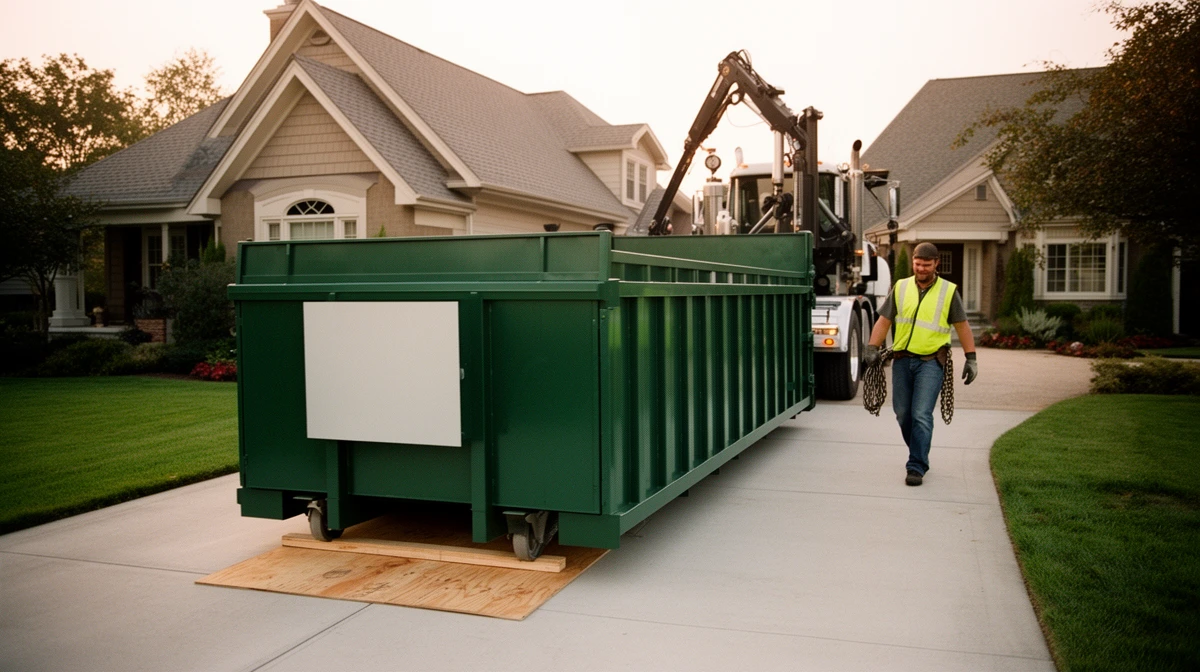
The default for storm debris across Gila Bend sits at 20 or 30 yards, a number set by material density, not by how many rooms were involved. homeowners after severe weather tend to be the ones filling out the Gila Bend request form. Whoever delivers to Gila Bend is running a Maricopa County route that happens to pass through, which is why neighboring towns get similar service. Gila Bend gets folded into routes built around Maricopa County, so timing depends on where else the truck is headed that day. You avoid municipal right-of-way permits and heavy HOA involvement entirely by keeping the box off the street, on the driveway or elsewhere on your own lot. A locked container option exists for shared driveways or curb spots where anyone passing by could otherwise toss something in.