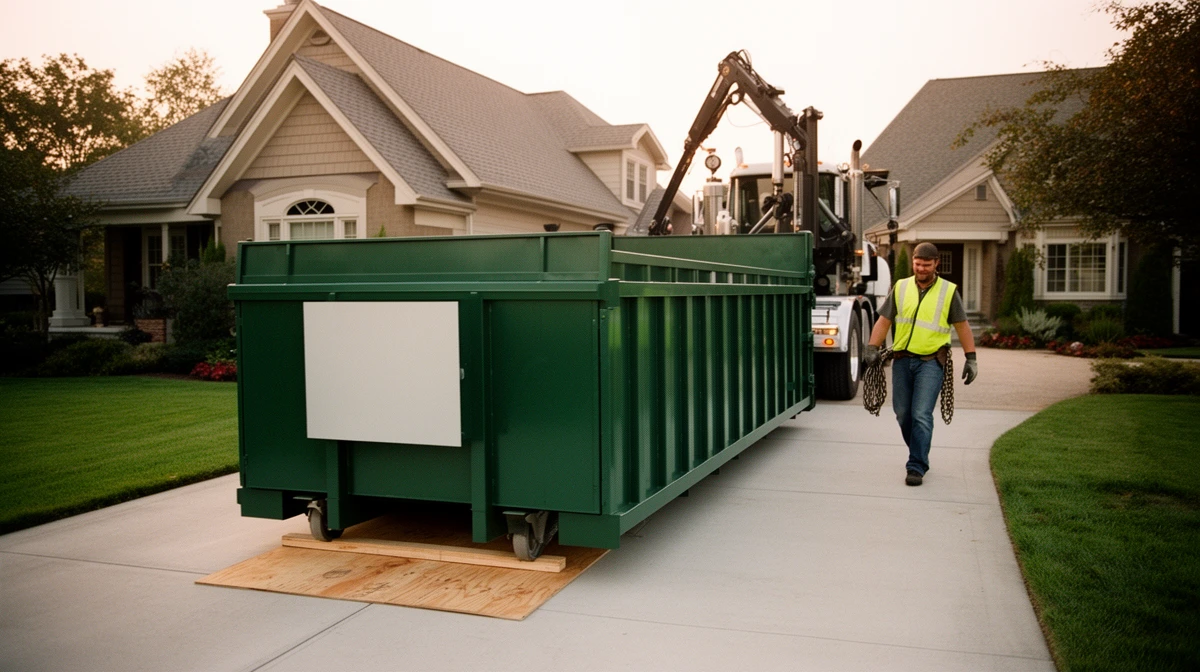
Storm debris cleanup in Tempe starts with one question homeowners don't expect: post-weather clearance, where availability rather than price is the real constraint. The default for storm debris across Tempe sits at 20 or 30 yards, a number set by material density, not by how many rooms were involved. homeowners after severe weather are the ones driving storm debris requests through Maricopa County.
Southwest operators split their days across Maricopa County and towns like Tempe, which is why one address can wait longer than another nearby. Maricopa County is the hub; Tempe gets served as an extension of routes that already run through it. This job resists sizing in advance because the mix of light and heavy material isn't known until the space is cleared, so expect the estimate to move once the work starts.
Weekend and holiday pickup isn't universal -- ask directly if the project timeline runs through one, rather than assuming the schedule matches a weekday drop-off. What separates a smooth pickup from a delayed one in Tempe usually comes down to putting branches in a hired box wastes the capacity you need for the structural material. desert heat with a summer monsoon season in Arizona isn't just weather, it's the reason certain weeks are harder to get a truck in Maricopa County. What happens after pickup matters too: Tempe's debris goes to aggregate recyclers take clean rock, caliche and concrete, and that stop is baked into how the container gets loaded. Driveways are private property, full stop, no permit required. Curbs belong to the city, which is why they call for municipal right-of-way permits and heavy HOA involvement. Keep gates unlocked and pathways clear on delivery morning -- a driver who can't reach the marked spot ends up picking a different one.