Skip to content
Dumpster rental help: what's accepted, how long you can keep it, and swap-out options Same-day and next-day delivery · (888) 603-9169

Whole Home Cleanout in the U.S.

Whole Home Cleanout. Every room emptied at once, usually ahead of a sale or a move.

  • Accepted Materials Explained
  • Rental Length Options
  • Driveway Protection Tips
Same-day and next-day delivery
Handles jobs from single-room cleanouts to full construction sites
Calls answered 7 days a week
No cost to submit a request or compare options
Licensed disposal, permits handled
Whole Home Cleanout

Overview

Whole Home Cleanout: what it actually involves

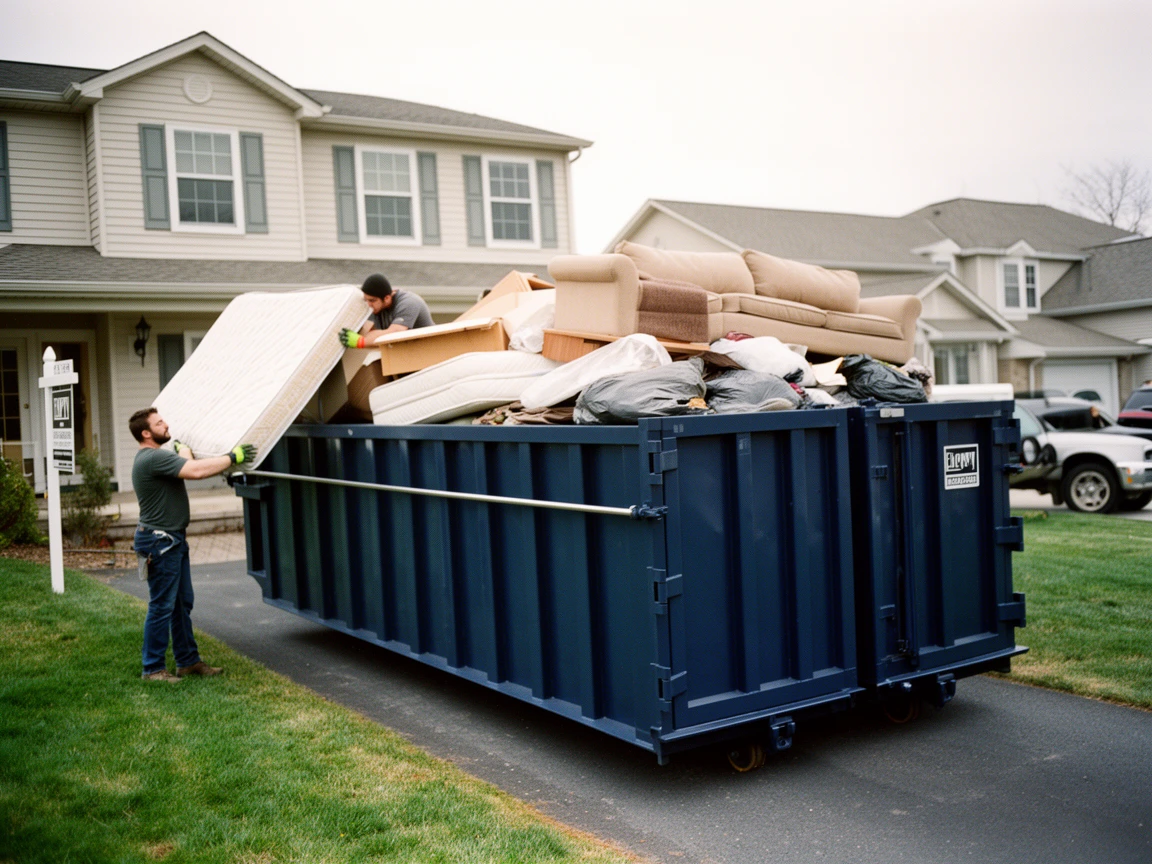
Whole Home Cleanout gets its own page for a reason worth weighing before you call: it is every room emptied in one go, usually ahead of a sale or a move. Most people find out the hard way that household goods are bulky rather than dense, so volume runs out well before the weight allowance.

Two limits apply at once: how much room you have, and how much weight you're allowed to put in it. Debris rarely respects both at the same time. If sellers and executors sounds like you, expect to size somewhere in the 20 or 30 or 40 yard range β€” that's where most bookings like yours settle. The quote comes down to two things: what fills the box, and whether the spot for it needs a street permit.

This load fills by shape, not by pounds. A couch and a mattress can crowd a container that's barely a third of its weight allowance. Two different rental structures can carry the same quote: a fixed number of days from drop-off, or an open-ended window billed by the day past that point. Ask which one applies before signing. A smaller container costs less and a second pull costs more β€” that's the trade-off, not a guessing game.

Symptoms

Signs you need this

  • You're clearing out a house before listing it and the garage is stacked to the rafters
  • A contractor is tearing off two layers of old roofing and the yard can't hold the pile
  • You need a whole-home cleanout but aren't sure what size actually fits a weekend cleanout
  • The box from your last job sat so long the grass underneath it died
  • You're gutting a kitchen and the cabinets, counters, and flooring all have to go at once

Options

Your options, and when each is right

a 20-yard roofing size container

A square of asphalt shingles weighs several hundred pounds, so a full layer tear-off on a mid-size roof can hit this container's weight limit before its volume limit. Suits roofing tear-offs and larger renovation debris. Best for a roof replacement on an average single-family home or a multi-room renovation with mixed debris.

a 30-yard large container

The extra wall height makes this size awkward for hand-loading anything heavy, so it works best for bulky, lighter material rather than dense debris. Suits new construction debris and major cleanouts. Best for new home construction scraps or clearing an entire estate's contents in one placement.

a 40-yard extra-large container

At 8 feet tall this size rarely fits under a garage door or low tree branches, so most placements end up on a street or open lot instead of a driveway. Suits full demolitions and large commercial projects. Best for a full house demolition or a large commercial renovation generating high-volume waste.

Swap-out service

For work that will outrun a single container, a full box can be pulled and an empty one dropped on the same visit. Arranging it up front costs less than calling for it mid-job.

What it depends on

What affects the cost of a whole-home cleanout

The base price against everything added to it

A number that looks low on the phone can grow once fuel or disposal surcharges get added. Household goods are bulky rather than dense, so volume runs out well before the weight allowance.

Lead time on both ends of the rental

Getting a container dropped off is often faster than getting it picked back up. Household goods are bulky rather than dense, so volume runs out well before the weight allowance.

Sizing a container without knowing the volume yet

Guessing small means a second container; guessing large means paying for space you don't fill. Household goods are bulky rather than dense, so volume runs out well before the weight allowance.

Whether a swap mid-project costs extra

Some rentals include one exchange; others bill it as a second delivery. Household goods are bulky rather than dense, so volume runs out well before the weight allowance.

The cost of loading past the allowance

A quote covers weight up to a point; beyond that point, the bill grows. Household goods are bulky rather than dense, so volume runs out well before the weight allowance.

Driveway versus curb

One needs nothing more than a clear spot; the other brings a permit into the picture. Household goods are bulky rather than dense, so volume runs out well before the weight allowance.

There's no set rate published here because pricing depends on which disposal facility a hauler routes to, how far that facility sits from your address, and whether the load needs special handling for certain materials. A local provider can price the job once they know what's being loaded and where it's headed.

Want a real number for your house?

Call and we will quote your actual job, sized on what you are clearing out.

πŸ“ž (888) 603-9169

How it works

What happens when you call

  1. 1

    Describe the job and address

    Tell us the debris type, the address and roughly when the container is needed. That single request is what haulers in Maricopa County use to size the job before they ever call.

  2. 2

    Matched to a local hauler

    The request routes to an independent hauler who already runs routes in that city or unincorporated pocket of the county. No bidding board, no calling around to ten companies yourself.

  3. 3

    Hauler calls to confirm details

    Expect a call to confirm size, placement and any permit or HOA paperwork the address needs. Delivery and pickup dates get set on this same call.

  4. 4

    Container delivered, then hauled away

    The hauler drops the container on the agreed date and picks it up once the job is done or the rental period ends. A swap for a longer project is scheduled the same way, directly through the hauler.

Equipment

Brands contractors in this network install

  • 10 Yard
  • 15 Yard
  • 20 Yard
  • 30 Yard
  • 40 Yard
  • Concrete & clean-fill boxes

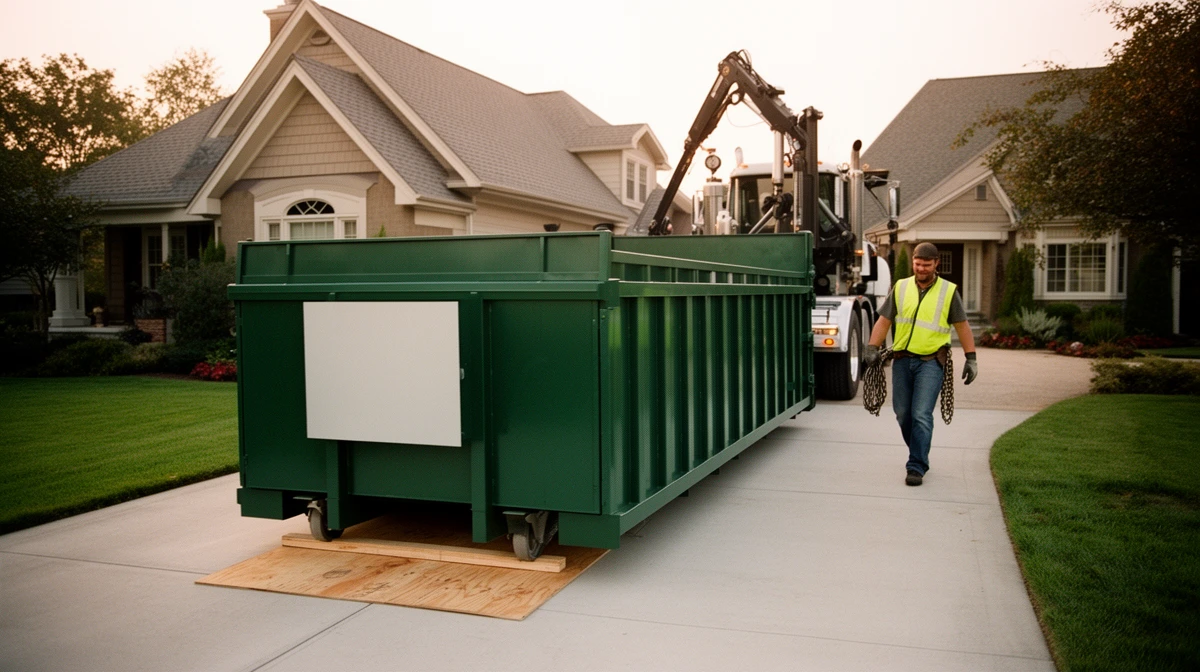
Independent haulers run different equipment, from cable-hoist trucks to hook-lift rigs, and the container brand behind each fleet varies by market. Ask the company that takes your call whether its delivery equipment is covered under its own service warranty, since a breakdown mid-swap is what turns a one-day rental into a week-long delay.

Before you book

What to check before booking whole-home cleanout

The thing that catches people out

Household goods are bulky rather than dense, so volume runs out well before the weight allowance.

What actually drives the bill

A number that looks low on the phone can grow once fuel or disposal surcharges get added. Household goods are bulky rather than dense, so volume runs out well before the weight allowance.

Check before work starts

Get the delivery date, the exact drop location, the list of banned materials that trigger a surcharge, and who's responsible for protecting the driveway surface in writing before the container is dropped off. Desert Dumpster Rental routes your job to an independent operator, so those checks are yours to make and they are the ones that protect you.

Questions

Whole-Home Cleanout FAQs

Can you judge the dumpster size for a whole-home cleanout by eye?

Not reliably. 20 or 30 yards is closer to the mark than a guess from the driveway, since household goods are bulky rather than dense, so volume runs out well before the weight allowance.

What's the realistic dumpster size for a whole-home cleanout?

20 or 30 yards is realistic for most of these jobs. Don't round up just to be safe β€” household goods are bulky rather than dense, so volume runs out well before the weight allowance.

Booking a dumpster for a whole-home cleanout and unsure of the size?

Aim for 20 or 30 yards to start. The pile's contents drive that number more than its footprint does, given that household goods are bulky rather than dense, so volume runs out well before the weight allowance.

What happens if you underestimate the dumpster size for a whole-home cleanout?

You end up paying for a second pull. 20 or 30 yards is the safer starting point, and it holds because household goods are bulky rather than dense, so volume runs out well before the weight allowance.

Call now for Same-Day Service or Priority Scheduling (888) 603-9169